

Learning kanji is a key part of mastering Japanese. In this article, we explore six commonly used JLPT N5 level kanji: 時、行、見、月、後、前. Each of these appears frequently in daily life and beginner-level Japanese texts. Let’s explore their meanings, readings, and examples. 🕒 時 (じ / とき) – Time, Hour Meaning: Time, Hour Onyomi: ジ Kunyomi: …

Are you starting your journey to learn Japanese? These six kanji are essential building blocks for anyone preparing for the JLPT N5 level. In this blog, we break down the meanings, readings, and example usages of each character: 日、一、国、人、年、大. 🈷️ 日 (にち / ひ) – Sun, Day Meaning: Sun, Day Onyomi: ニチ、ジツ Kunyomi: ひ、か Example: …

This is Part 2 of our N5 Kanji series! In this post, we’ll explore 5 more fundamental kanji: 出 (exit), 本 (book/origin), 中 (inside), 子 (child), and 見 (see). These characters are commonly found in everyday Japanese, and are essential for passing the JLPT N5 exam. Let’s break them down with meanings, readings, stroke counts, …

If you’re just starting to learn Japanese, mastering the basic kanji is essential. The JLPT N5 level includes fundamental characters used in everyday life. In this article, we’ll introduce 5 must-know N5 kanji: 人 (person), 一 (one), 日 (day/sun), 大 (big), and 年 (year). We’ll cover each character’s meaning, readings (onyomi & kunyomi), stroke count, …
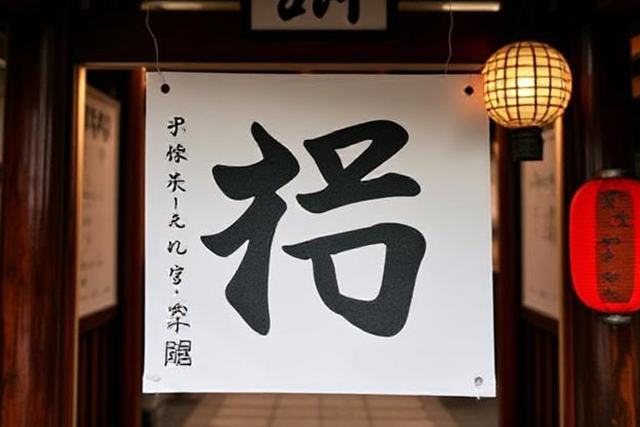
Introduction If you’re planning to take the Japanese Language Proficiency Test (JLPT), you probably know that Kanji is a big part of it. But exactly how many Kanji do you need to master for each level—N5, N4, N3, N2, and N1? Understanding the Kanji requirements can help you strategize your study plan, set realistic goals, …

Introduction Kanji is a fundamental part of the Japanese language and daily life in Japan. Whether you’re reading street signs, using public transportation, or ordering food at a restaurant, Kanji appears everywhere. For learners of Japanese, focusing on the most frequently used and practical Kanji can greatly enhance your understanding and confidence. In this guide, …