
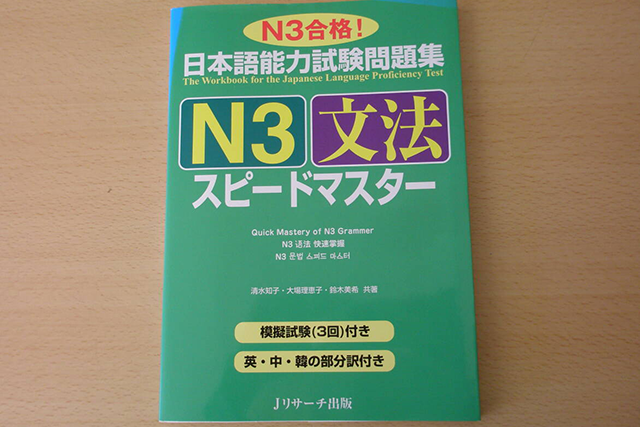
In my opinion, Learning Japanese without Teacher is not impossible. We can learn Japanese by ourself with right method, way and tools. So, Today’s article will be about Learning Japanese N3 Grammar without Teacher. Why Learn JLPT N3 Grammar Without a Teacher? Many learners study Japanese without formal classes because of: Cost: Private lessons or …
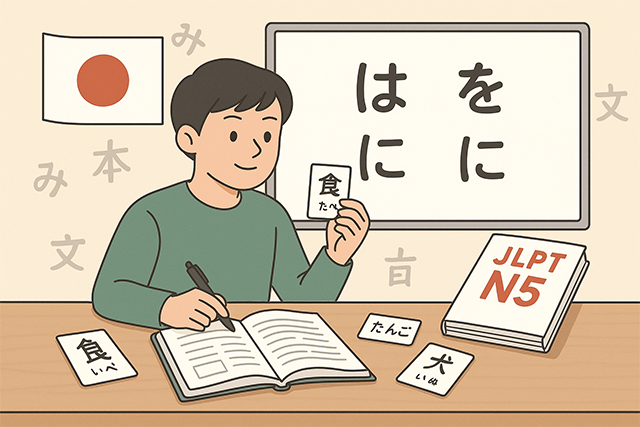
JLPT N5 Grammar Doesn’t Have to Be Your Worst Enemy (Here’s How to Actually Remember It) Okay, let’s be real for a second. You’re staring at your Japanese textbook, and those grammar rules are starting to blur together like some kind of linguistic soup. You know you need to memorize JLPT N5 grammar, but every …
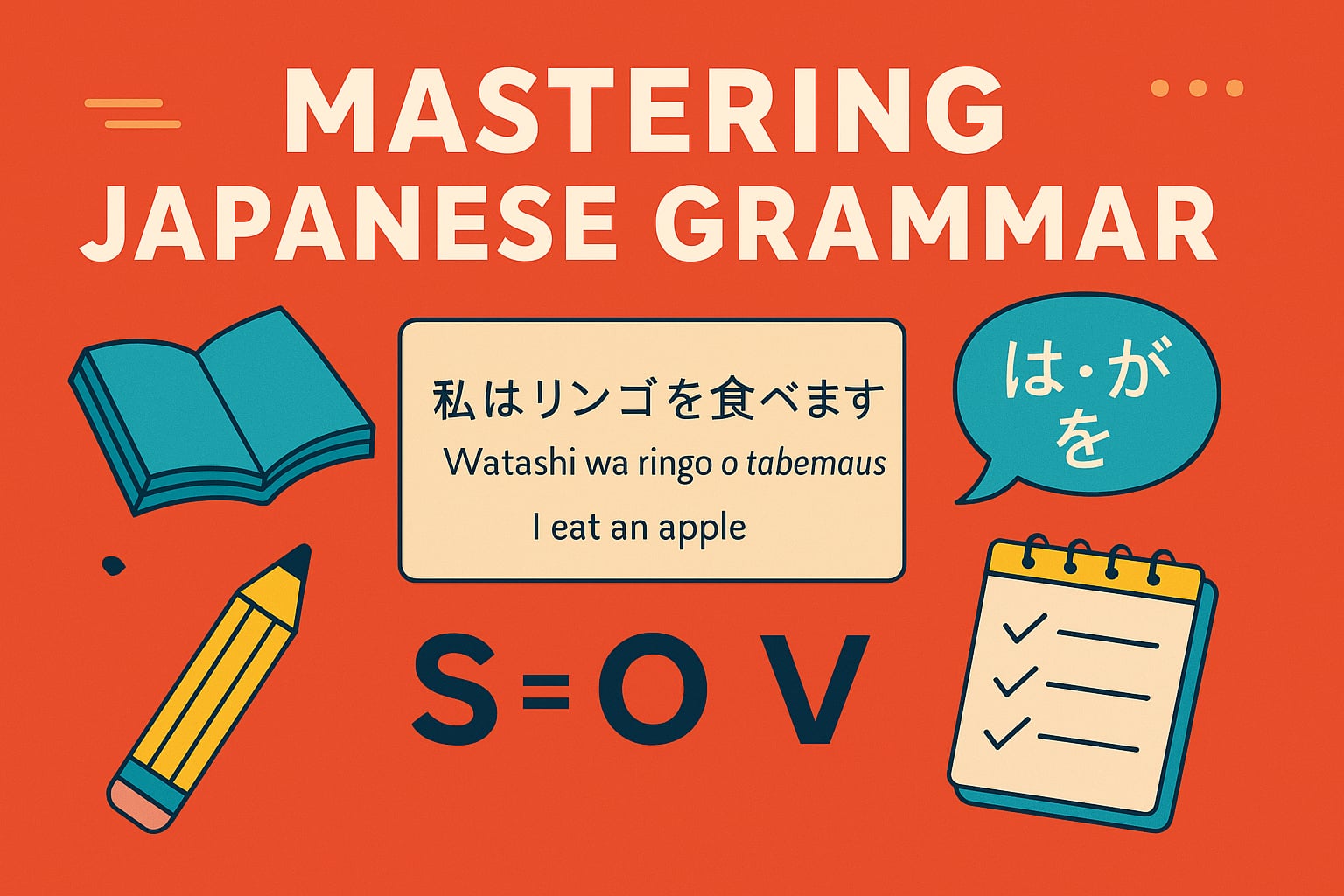
Introduction Mastering Japanese grammar is essential for building a solid foundation in the language. Unlike many Western languages, Japanese grammar follows unique patterns that require understanding of sentence structure, particles, verb conjugation, and more. This guide will walk you through the best strategies and resources to help you master Japanese grammar at every level. Why …

Japanese grammar is rich in nuance and structure. Among the many patterns, ほど, こそ, and ながら are essential for expressing comparisons, emphasis, and actions happening at the same time. In this article, we’ll break down the meaning and correct usage of each, complete with sentence examples to help you master them. 📍 1. ほど – …

When learning Japanese, understanding how to express limits, quantity, or contrast is key to speaking naturally. In this article, we will look at four essential grammar structures: しか, だけ, ばかり, and でも. Though similar in meaning, each has a unique nuance and usage. Let’s explore them one by one with examples and tips. 📍 1. …

Japanese particles play a crucial role in building sentences and expressing emotion or emphasis. Today, we’re looking at three commonly used and beginner-friendly particles: の (no), ね (ne), and よ (yo). Whether you’re preparing for the JLPT or simply want to sound more natural when speaking, understanding these particles will make a big difference. 📍 …

Japanese grammar relies heavily on particles — short words that indicate how other words function in a sentence. In this article, we’ll focus on four important particles: から (kara), まで (made), より (yori), and や (ya). Each has a unique use and appears frequently in daily conversation and JLPT exams. 📍 1. から (kara) – …

Learning Japanese grammar can be both fun and challenging, especially when it comes to understanding particles. Among the most commonly used particles in everyday conversation and JLPT exams are へ (e), と (to), and も (mo). In this article, we’ll explore how to use each of these particles effectively with detailed examples and tips for …

When learning Japanese, mastering particles is absolutely essential. These tiny words play a big role in connecting ideas, marking grammatical functions, and clarifying meaning. However, for many learners, Japanese particles can be confusing because there is no direct equivalent in English. In this ultimate guide, we’ll break down five of the most important Japanese particles …